Surveillance & Imaging Systems in Austin, Minnesota
We provide specialized systems integration for industrial surveillance and imaging, focusing on automated machine vision inspection, thermal monitoring command centers, and smart camera networks. Our engineering teams deploy deterministic trigger logic, high-speed camera arrays, and edge processing hardware to ensure repeatable inspection accuracy, reliable data retention, and auditable logging across complex production and infrastructure environments.
Industrial imaging and surveillance represent the critical intersection of high-speed data acquisition and real-time process verification. Modern facilities require robust infrastructure capable of handling the massive bandwidth demands of multi-camera arrays while maintaining deterministic synchronization with production equipment. Integration in this vertical involves orchestrating industrial lighting, optical sensors, and edge-processing hardware into a unified monitoring environment slaved to centralized SCADA or command center platforms. We focus on the engineering of the technical backbone that supports these high-stakes operations, ensuring that image acquisition is reliable and processing latency is minimized. Our methodology emphasizes the use of hardened industrial networks and secure telemetry to protect the integrity of visual data. By implementing intelligent camera networks and robotic vision cells, we enable manufacturers and utility operators to shift from manual observation to autonomous, data-driven oversight. From thermal monitoring of critical electrical infrastructure to high-speed optical inspection of precision components, our systems are architected for 24/7 uptime and maintainability in harsh industrial environments. This technical rigor ensures that every trigger event is captured and every analysis result is logged within an immutable framework suitable for quality audits and operational forensic analysis.
Providing technical integration services to industrial facilities within the Austin metropolitan area and throughout Minnesota.
Technical content for Surveillance & Imaging Systems in Austin, Minnesota last validated on April 5, 2026.
Services
Automated Visual Inspection Systems
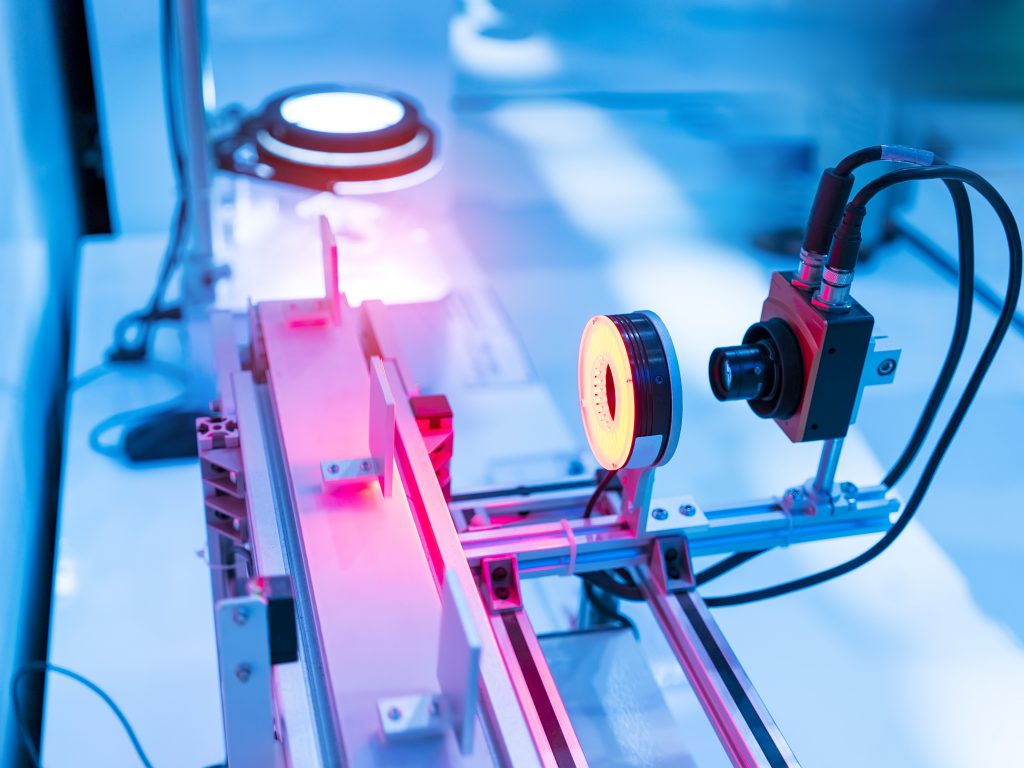
Deployment of high-speed optical inspection arrays slaved to PLC trigger logic for 100% part verification, dimensional gauging, and surface defect detection on active production lines.
Industrial Machine Vision Integration
Orchestration of smart cameras and vision controllers slaved to industrial protocols such as GigE Vision or PROFINET to ensure millisecond-accurate image acquisition and processing.
Thermal Imaging & Monitoring Hubs
Integration of radiometric thermal cameras into facility SCADA systems to monitor critical asset health, detect localized heat anomalies, and prevent equipment failure in utilities and plants.
Surveillance Command Center Design
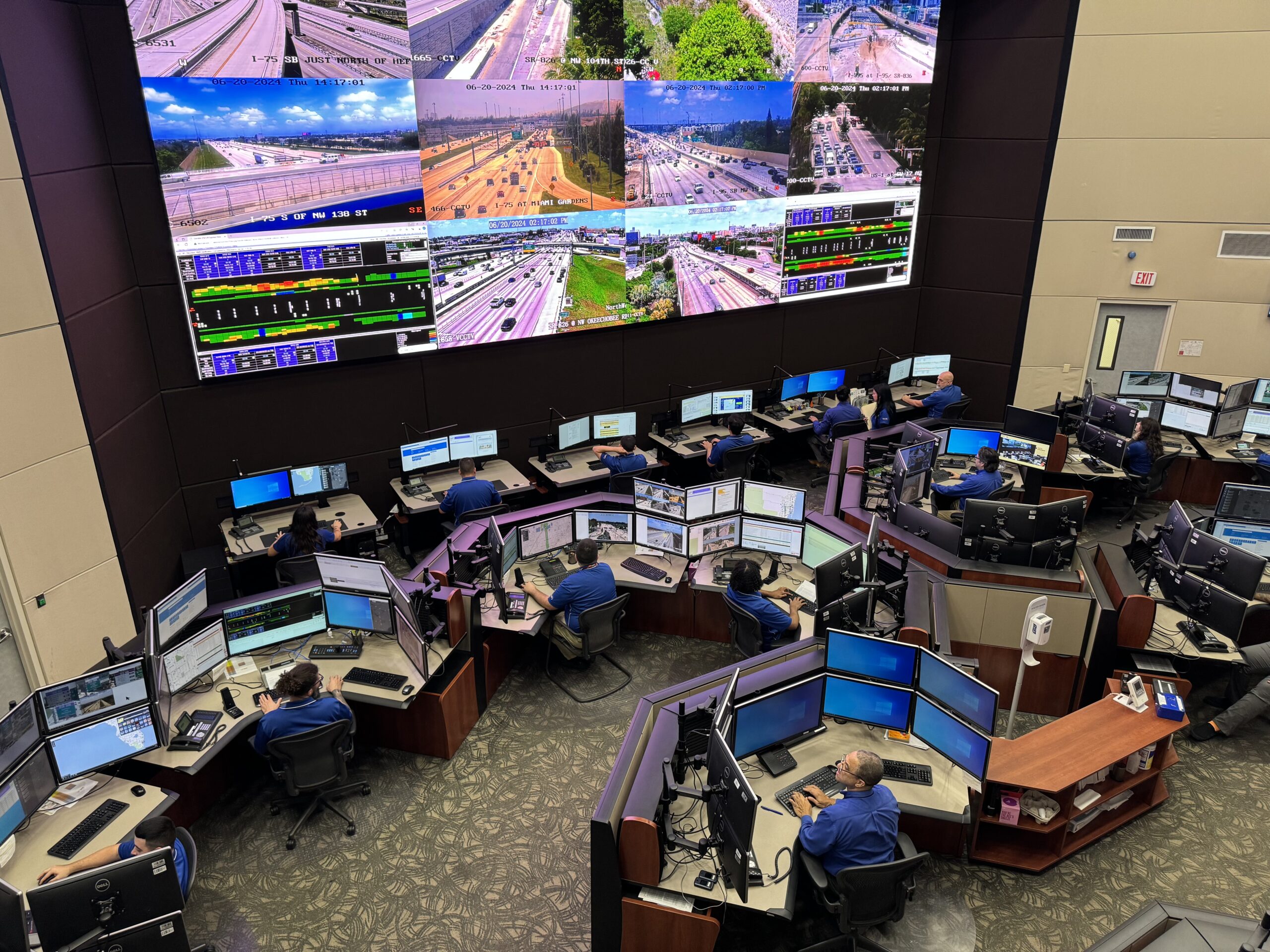
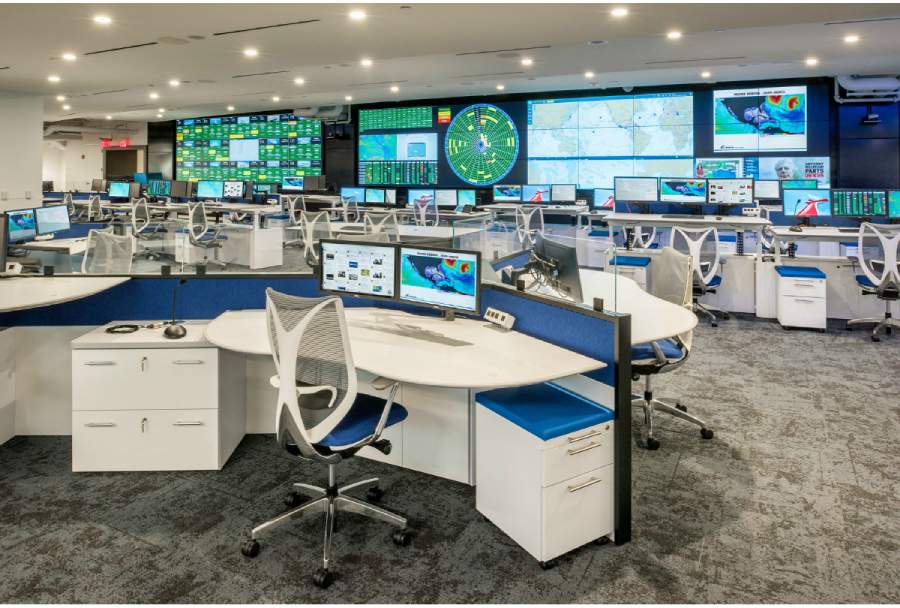
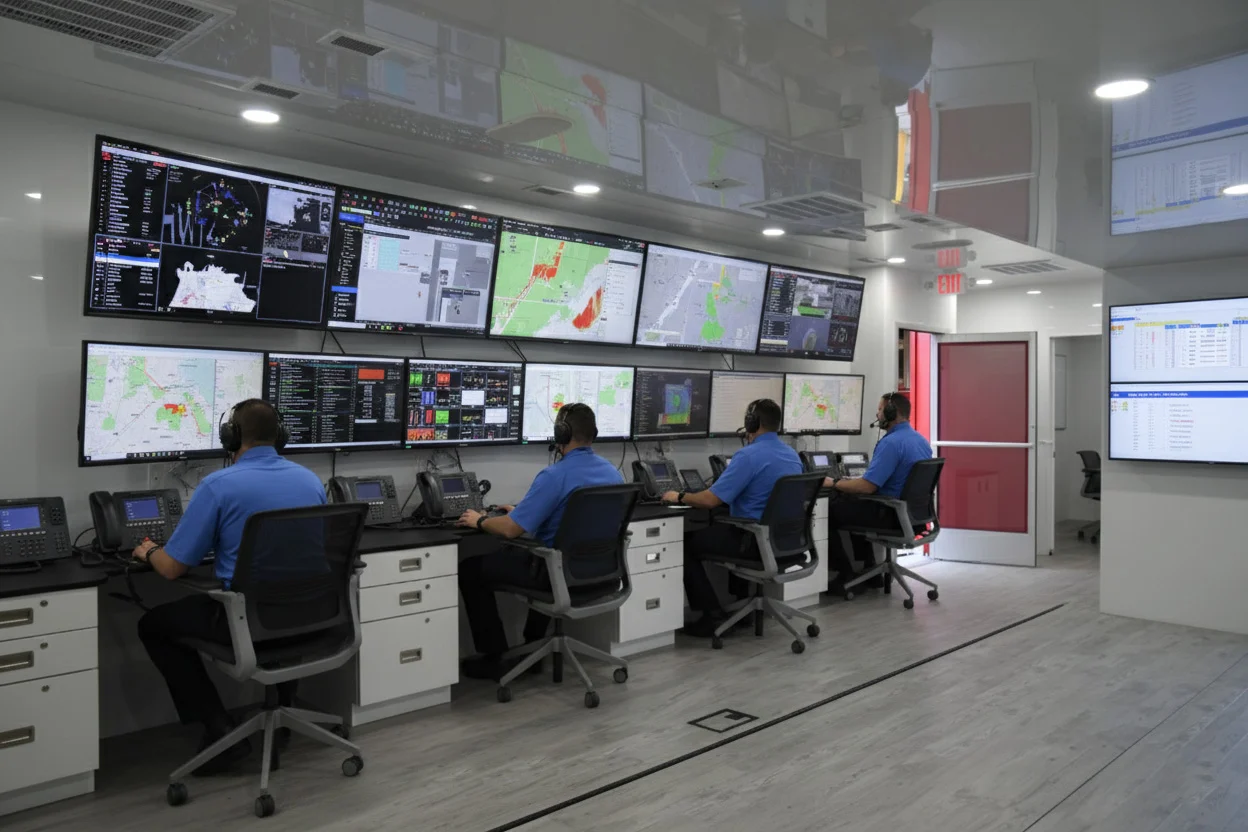
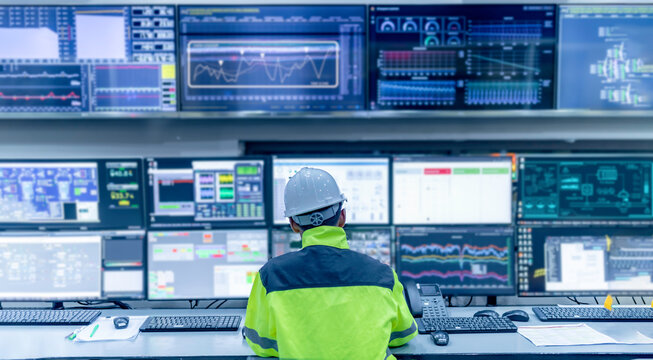
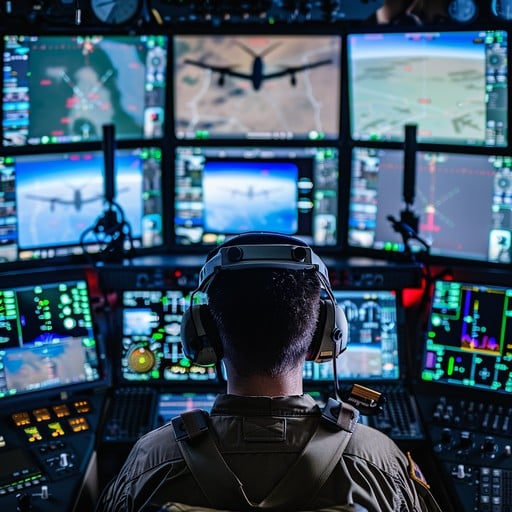
Architecture of centralized monitoring rooms featuring high-bandwidth video walls, redundant storage servers, and integrated telemetry dashboards for plant-wide situational awareness.
Robotic Vision Inspection Cells
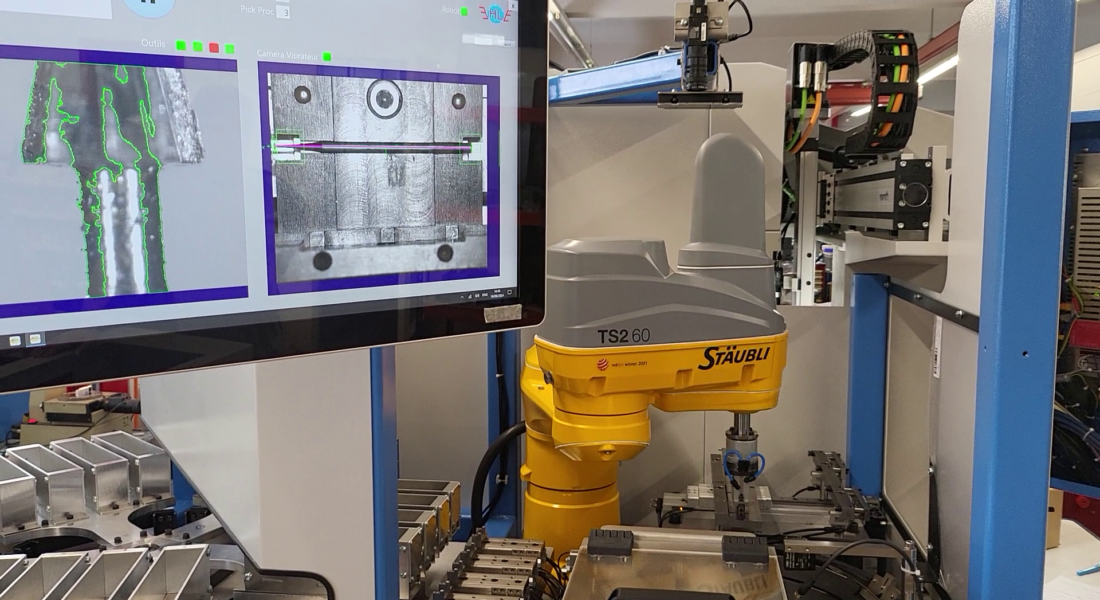
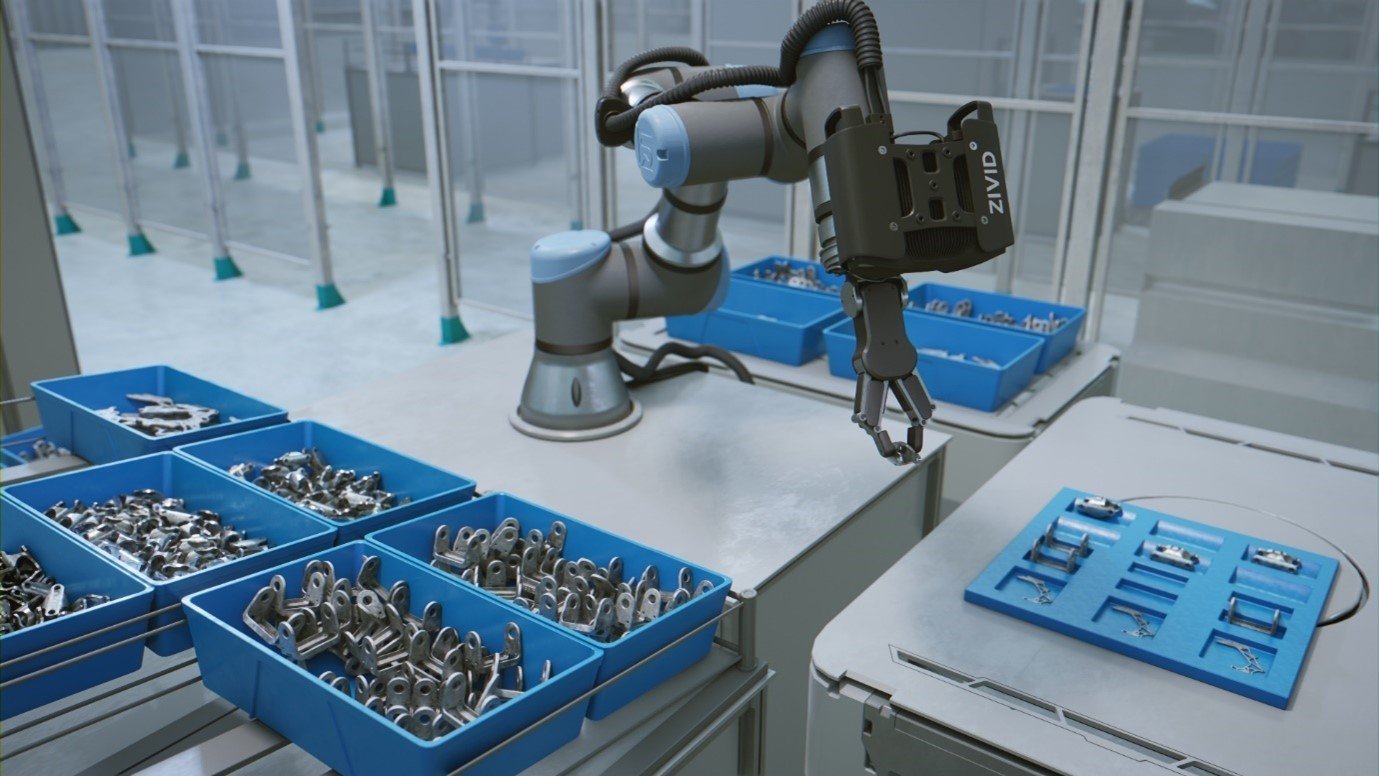
Engineering of multi-axis robotic workstations integrated with 3D sensors and force-torque feedback for autonomous quality inspection and randomized part pick-and-place operations.
Edge Processing for Image Analysis
Deployment of localized industrial computing nodes to perform low-latency image analysis at the machine edge, reducing the bandwidth load on the primary facility network infrastructure.
Our Process
Optical & Environmental Audit
Identification of field-of-view requirements, part velocity, ambient lighting interference, and physical mounting constraints to define the necessary optical and sensor specifications.
Architecture & Lighting Design
Engineering of specialized lighting arrays (strobe, backlighting, or telecentric) and deterministic trigger logic to ensure consistent contrast and repeatable image acquisition.
Trigger Logic & System Integration
Physical installation and logical pairing of cameras with PLCs, encoders, and network gateways via high-integrity industrial Ethernet frameworks.
Validation & Repeatability Testing
Execution of rigorous Site Acceptance Testing (SAT) to verify Gage R&R, false-reject rates, and data logging reliability under peak production load conditions.
Use Cases
Integration of a high-speed pharmaceutical inspection station slaved to a master controller for 100% vial seal and label accuracy verification.
Deployment of a substation thermal monitoring network integrated with utility SCADA to provide autonomous alerts for overheating transformer bushings.
Architecture of a centralized infrastructure surveillance command center aggregating 200+ high-definition streams with integrated life-safety system telemetry.
Engineering of a robotic assembly cell utilizing 3D vision guidance to align complex components with sub-millimeter precision in an automotive facility.
Modernization of a legacy optical sorter with smart camera technology to enable real-time defect classification and automated rejection logging.
Technical Capabilities
- Industrial imaging systems utilize global shutter sensors to eliminate the motion blur associated with rolling shutters in high-speed manufacturing environments.
- Managed industrial switches with Jumbo Frame support are required to handle the high-bandwidth data bursts produced by raw machine vision camera arrays.
- Deterministic lighting control slaved to the camera's exposure time ensures image consistency by mitigating the fluctuations found in standard facility power grids.
- Radiometric thermal data integration allows for the logging of exact temperature values per pixel, facilitating advanced trend analysis in SCADA historians.
- Edge processing nodes utilize specialized hardware acceleration to perform complex blob analysis and pattern matching in sub-millisecond intervals.
Surveillance & Imaging Systems support
Surveillance & Imaging Systems services for facilities in Austin, Minnesota, United States .
Surveillance & Imaging Systems support
Surveillance & Imaging Systems services for facilities in Austin, Minnesota, United States .
Surveillance & Imaging Systems support
Surveillance & Imaging Systems services for facilities in Austin, Minnesota, United States .

Surveillance & Imaging Systems support
Surveillance & Imaging Systems services for facilities in Austin, Minnesota, United States .
Surveillance & Imaging Systems support
Surveillance & Imaging Systems services for facilities in Austin, Minnesota, United States .
Surveillance & Imaging Systems support
Surveillance & Imaging Systems services for facilities in Austin, Minnesota, United States .
Surveillance & Imaging Systems support
Surveillance & Imaging Systems services for facilities in Austin, Minnesota, United States .
Surveillance & Imaging Systems support
Surveillance & Imaging Systems services for facilities in Austin, Minnesota, United States .
Surveillance & Imaging Systems support
Surveillance & Imaging Systems services for facilities in Austin, Minnesota, United States .
Frequently Asked Questions
How is inspection repeatability maintained in varying ambient light?
We engineer dedicated industrial lighting environments that use high-intensity strobes or shrouding to ensure the contrast ratio seen by the camera is entirely independent of external lighting fluctuations.
Can machine vision systems integrate directly with plant SCADA?
Yes, we utilize industrial protocols like OPC UA, Modbus TCP, or PROFINET to share pass/fail data and process metrics between the vision controller and the plant-wide supervisory system.
What is the primary benefit of edge processing for imaging?
By processing analysis results locally at the camera or workstation, we reduce the latency of the rejection signal and prevent the primary facility network from becoming saturated with raw video data.
How is the functional uptime of industrial surveillance networks ensured?
We implement redundant power supplies, industrial-grade storage arrays, and network heartbeat monitoring to provide high availability and immediate alerting of hardware or connectivity failures.
Quantify Your Imaging Infrastructure Requirements
Submit specifications for an engineering review of your machine vision inspection station or surveillance command center project.
Request Technical Audit